Why Fake Gemstones Are So Common
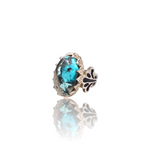
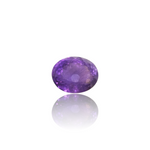
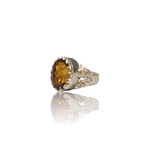
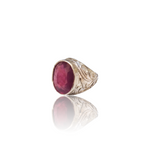
The gemstone market is enormous — and unfortunately, so is the number of fakes. Sellers may pass off glass, plastic, synthetic stones, or low-quality materials as genuine gems, especially online. Whether you're buying a ruby, emerald, turquoise, or Cat's Eye stone, the risk of getting a fake is very real.
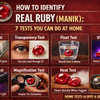
That's why knowing the basics before spending your money is so important. Here are seven tests you can do right at home.
The Visual Inspection Test
Start with your eyes. Real gemstones form naturally over thousands of years, and that process leaves traces.
What to look for
- Natural inclusions: Real stones often have tiny internal flaws — bubbles, cracks, or cloud-like structures. A perfectly flawless stone at a low price is often synthetic or glass.
- Colour consistency: Natural gems have slight colour variations. If the colour looks too uniform or vivid throughout, it may be dyed or synthetic.
- Round bubbles: If you see perfectly round bubbles under a magnifying glass, it's almost certainly glass. Natural stones don't have round bubbles.
The Scratch Test
Gemstones are rated on the Mohs hardness scale (1–10). Harder stones scratch softer materials, but not the other way around.
How to do it
- Try scratching the stone with a steel knife (hardness ~5.5). If it scratches easily, it's likely glass or a soft fake.
- Real rubies, sapphires, and diamonds are extremely hard (9–10 on the Mohs scale) and won't be scratched by a knife.
- Softer genuine stones like turquoise or moonstone (hardness 5–6) can scratch — so don't rely on this test alone for softer gems.
The Temperature Test
Natural gemstones conduct temperature differently from glass or plastic.
How to do it
- Hold the stone in your hand or place it on your cheek for a few seconds.
- Real gemstones feel cool to the touch and warm up slowly.
- Glass also starts cool but warms up almost immediately.
- Plastic fakes reach room temperature almost instantly — they feel warm right away.
The Light Refraction Test
Light behaves differently when it passes through a real gemstone versus a fake.
For diamonds
- Place the stone face-down on a newspaper. If you can read the text through the stone, it's likely fake. A real diamond refracts light so strongly you won't be able to read through it.
For coloured stones
- Shine a torch through the stone at different angles. Real gems show depth, complexity, and shifting colours.
- Fakes — especially glass — tend to look flat or show a single uniform colour from all angles.
The Weight Test
Real gemstones tend to be denser than glass or plastic imitations of the same size.
How to do it
- Hold the stone in your palm and compare it with a similar-sized piece of glass.
- If the stone feels surprisingly light for its size, it might be plastic or hollow glass.
- Stones like garnet, sapphire, and spinel are noticeably heavier than glass of equal volume.
This is a rough test — not definitive — but combined with others, it adds useful information.
The Water Test
A simple test for stones sold as quartz or crystal varieties.
How to do it
- Drop the stone into a glass of water.
- Real gemstones (especially quartz varieties like rose quartz, amethyst, or citrine) are very dense and sink quickly.
- Fake plastic stones may sink too, but feel lighter when you hold them underwater.
Check the Setting & Price
Sometimes the biggest clue isn't the stone itself — it's the context.
- Unrealistically low price: Genuine rubies, emeralds, and sapphires are expensive. If the price seems too good to be true, it probably is.
- Cheap metal setting: Real gemstones are almost never set in cheap alloy or plastic. If the pendant looks low quality, the stone likely is too.
- No certification: Reputable sellers provide certificates from labs like GIA, IGI, or government-authorised labs. Always ask for one.
When Home Tests Are Not Enough
Home tests can help you spot obvious fakes, but they have limits. Some synthetic stones (like lab-grown rubies or sapphires) are chemically identical to natural ones — and no home test will catch them. The only way to know for certain is professional gemological testing.
If you're spending a significant amount, always:
- Ask for a gemological certificate from a recognised lab.
- Buy from a trusted, verified seller with a clear return policy.
- Request a refund policy in case the stone doesn't match its description.
Quick Reference: At-Home Gemstone Tests
| Test | What It Detects | Reliability |
|---|---|---|
| Visual Inspection | Glass bubbles, dye, inclusions | High |
| Scratch Test | Hardness of stone | Medium |
| Temperature Test | Plastic vs real / glass | Medium |
| Light Refraction | Internal complexity | High |
| Weight Test | Density comparison | Low–Medium |
| Water Test | Density (for crystals) | Low–Medium |
| Price & Certification | Authenticity of seller | High |
Frequently Asked Questions
Buy Gemstones You Can Trust
Every stone at ClickGems is genuine, certified, and sourced with care. Shop with complete confidence — no fakes, no guesswork.
Shop Certified Gemstones →